
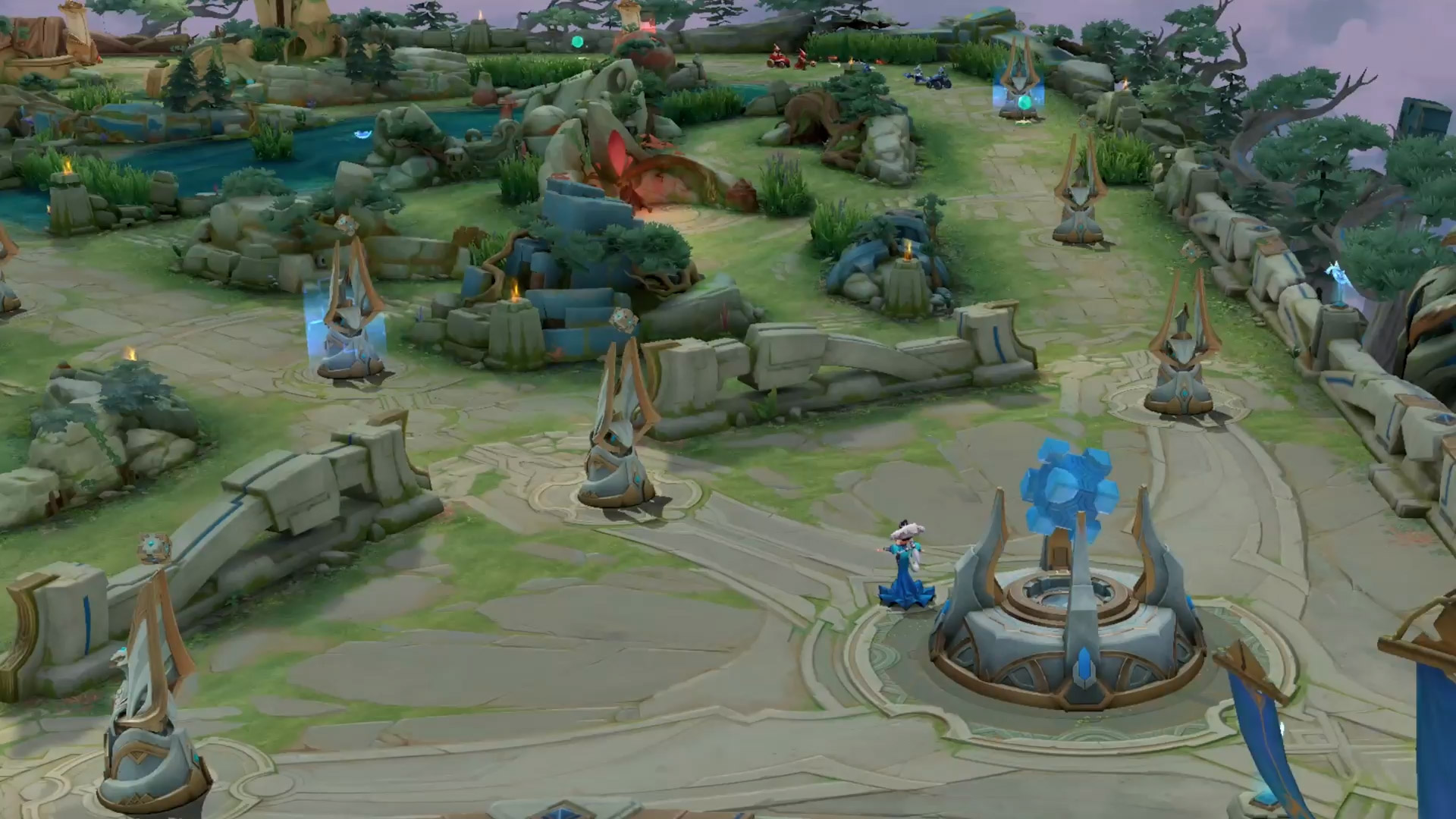
Apply the plan to the game you actually play.
Honor of Kings uses the familiar three-lane MOBA structure but compresses decisions into a mobile match pace. Each role has a clear responsibility: protect lane economy, create pressure, manage vision and rotations, then arrive at neutral objectives with a composition that can start, sustain, or disengage from a fight. Mechanical speed matters, but the reliable advantage comes from moving first without giving away the lane for free.
Choose one primary role and a small hero pool with complementary jobs. Review the first rotation that cost a wave, objective position, or teammate trade. In practice, separate last-hitting and lane control from team-fight execution, then build a short checklist for the next ranked session: first recall, first objective arrival, and the cooldown you must track before engaging.
Learn from current competition
Competitive Honor of Kings features regional circuits and international tournaments. Formats, hero availability, draft rules, and qualification paths can change between events, so current schedule and organizer information should guide every event decision. When watching, follow lane priority, jungle route, support movement, objective setup, and how a team creates a numbers advantage before committing.