









Find a team through real competition
The most useful team discovery starts with the schedule. A team shown here is connected to a current or recent Honor of Kings match. Open the team profile to move from its mark and short name to the listed roster and connected player profiles.
A roster can change between qualification, league play and a major event. Use the event date and match page as context, especially when a substitute or temporary lineup may be involved. The current team profile is a starting point, not proof that every historical match used the same five players.
What makes a strong Honor of Kings team
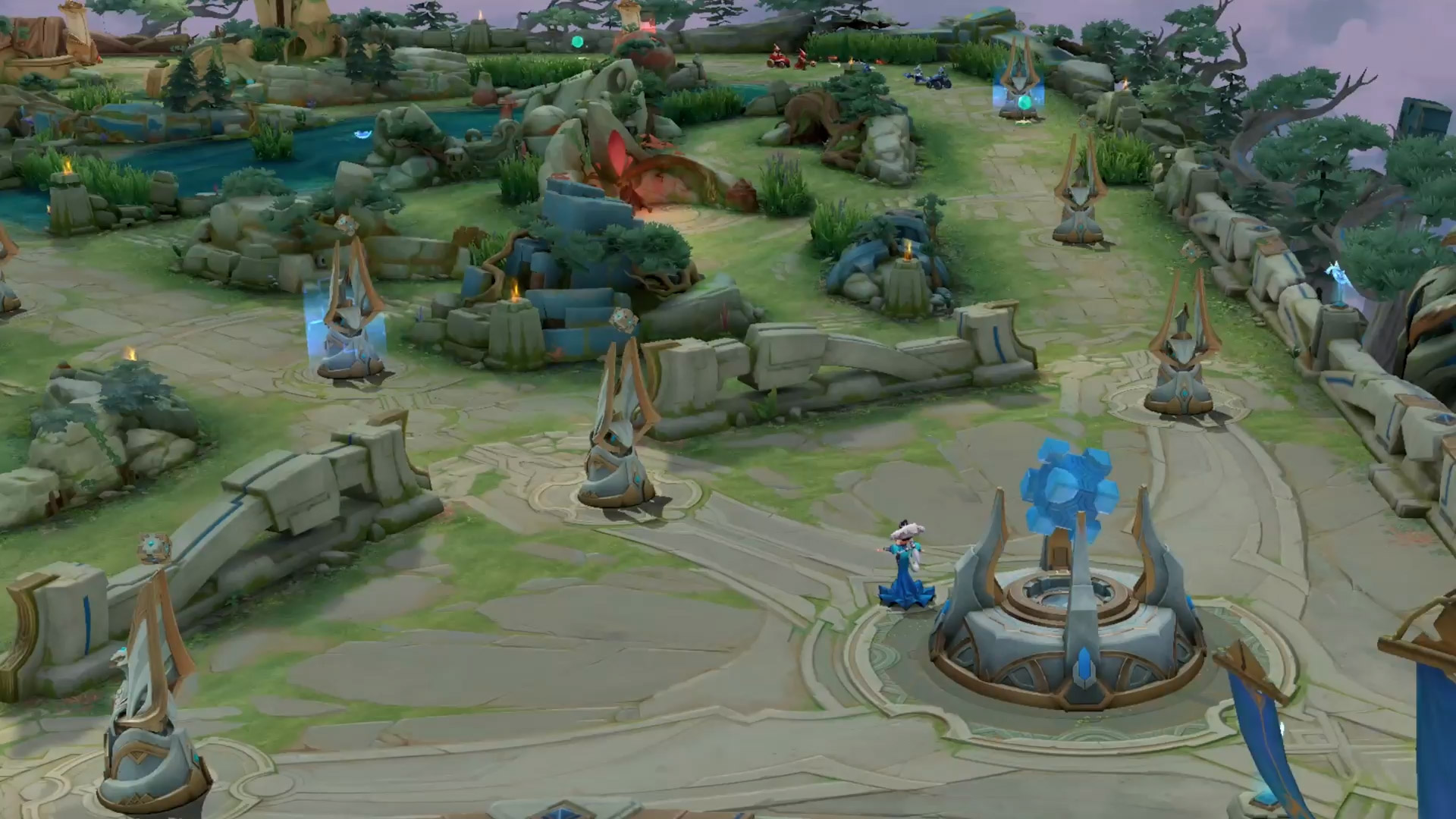
Honor of Kings uses the familiar three-lane MOBA structure but compresses decisions into a mobile match pace. Each role has a clear responsibility: protect lane economy, create pressure, manage vision and rotations, then arrive at neutral objectives with a composition that can start, sustain, or disengage from a fight. Mechanical speed matters, but the reliable advantage comes from moving first without giving away the lane for free.
Team quality appears in coordination around waves, rotations and objective timing, clear ownership of lane, jungle, frontline, damage and support responsibilities, and disciplined use of gold, experience, cooldowns, vision and map pressure. Watch what happens immediately after a mistake: the best teams often limit the second loss instead of forcing a desperate recovery.
Compare teams without oversimplifying
Compare the same stage, patch and level of opposition whenever possible. One result can be shaped by map choice, side, draft, format or a recent roster move. Look for repeated decisions across several matches before calling something a team identity.
Use these signals as your baseline: lane priority before neutral objectives; jungle path and first rotation; draft engage and damage balance; support vision and team-fight spacing. They help explain why a result happened and which part of the performance is likely to carry into the next match.